






Insert glides and external glides are essential components for protecting and beautifying furniture. They not only provide a neat finish but also contribute to the durability and functionality of your furniture pieces. In this blog, we discuss the applications of both types of glides, their variations for straight and angled legs, decorative finishes, and the available options with special layers such as felt, polyacrylic, stainless steel (RVS), and TPU anti-slip.

Insert Glides
Insert glides, also known as hammer-in glides, are placed into the end of a tube or leg. They are ideal for sealing open tube ends, keeping out dirt and moisture and preventing internal rusting. Additionally, they protect floors from scratches and provide a stable base.
Applications for Furniture
- Chairs and Tables: Insert glides are perfect for chairs and tables with metal tubular frames. They provide a sleek finish and protect both the furniture and the floor.
- Clothing Rails and Railings: They provide a neat closure for open ends, contributing to a professional appearance.
- Garden Furniture: Protects against moisture and dirt, extending the lifespan of your outdoor furniture.
Diversity of Applications
In addition to furniture, insert glides are also used in:
- Bicycles: For sealing open tube ends, which prevents corrosion.
- Awnings: Provides a neat finish and protection against weather influences.
- Coat Racks and Shelves: Provides stability and prevents damage to floors and walls.
Variations for Straight and Angled Legs
- Straight Legs: Standard insert glides are suitable for straight legs and are available in various shapes such as round, square, and oval.
- Angled Legs: For furniture with an angle, there are insert glides with an angled base, for example, with a fixed angle of 12°, which ensure a stable and aesthetic finish.
Decorative Finish
For a decorative touch, dome-head insert glides are available. These offer a discrete and stylish finish, ideal for concealing unwanted openings or screw holes.
External Glides
External glides are slid over the end of a tube, similar to a sock. They are highly visible and offer both aesthetic and functional benefits. A key advantage is that they effectively conceal uneven or crookedly cut tube ends.
Applications for Furniture
- Chairs and Tables: Provide a neat finish and protect floors from scratches.
- Curtain Rods: Provide an elegant closure and prevent damage to walls.
Diversity of Applications
In addition to furniture, external glides are also used in:
- Bicycles: Protect open tube ends and prevent corrosion.
- Racks and Shelving: Provide stability and a neat finish.
Variations for Straight and Angled Legs
- Straight Legs: Standard external glides are suitable for straight tube ends and are available in various shapes and sizes.
- Angled Legs: Although less common, there are external glides suitable for angled legs, depending on the design and the required angle.
Decorative Finish
External glides can also have a decorative function, especially when used to cover unfinished or damaged ends, giving the furniture a renewed and well-maintained appearance.
Glides with and without Additional Features
Glides without Additional Features
These glides are made of durable plastic and offer basic protection and finish. They are ideal for applications where no additional gliding or anti-slip function is required.
Glides with Additional Features
- Felt Gliding Layer: Ideal for hard floors such as wood or laminate. The felt reduces noise and prevents scratches. Thermally welded felt ensures a longer lifespan and prevents detachment.
- Polyacrylic Gliding Layer: Suitable for carpeted floors, offers smooth gliding properties and reduces wear on both furniture and floor covering.
- Stainless Steel Gliding Layer: Stainless steel gliding layers are durable and offer excellent wear resistance, ideal for intensive use and industrial applications.
- TPU Anti-slip Layer: Thermoplastic polyurethane offers a high degree of grip, prevents unwanted shifting, and is perfect for smooth surfaces or areas where stability is essential.
When choosing the right glide, it is important to consider both the type of furniture and the surface. A proper combination ensures optimal protection, functionality, and aesthetics.
|
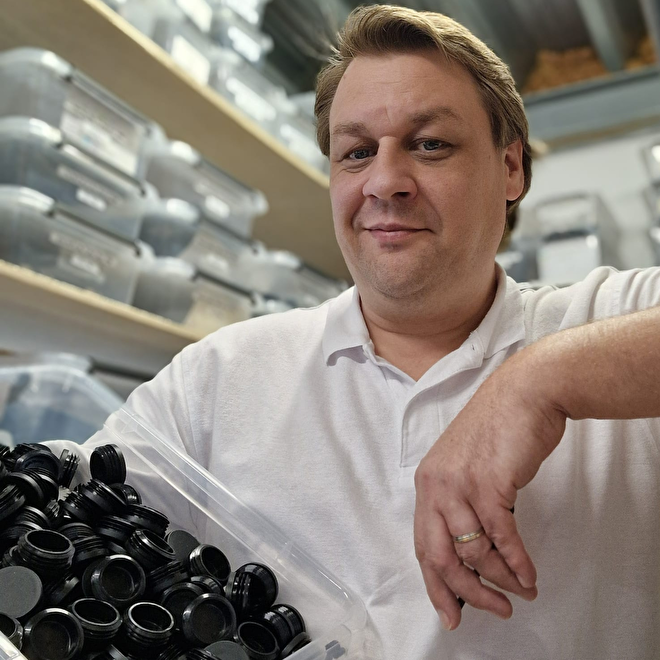
About the author: This article was written by Wout Meilink jr., a furniture upholsterer since 1995 in the family business founded in 1938 by his great-uncles. From this rich tradition, he combines craftsmanship with a passion for guiding DIY enthusiasts and hobby upholsterers. Over the years, together with his team, he has trained more than 15 apprentice upholsterers and guided countless students and DIY enthusiasts in re-upholstering their furniture. Wout is happy to share his knowledge to help others give their furniture an affordable, professional, and sustainable new lease on life. Curious about the materials you can use yourself? Check out our range of furniture parts, upholstery materials, and maintenance products in the webshop.
|